


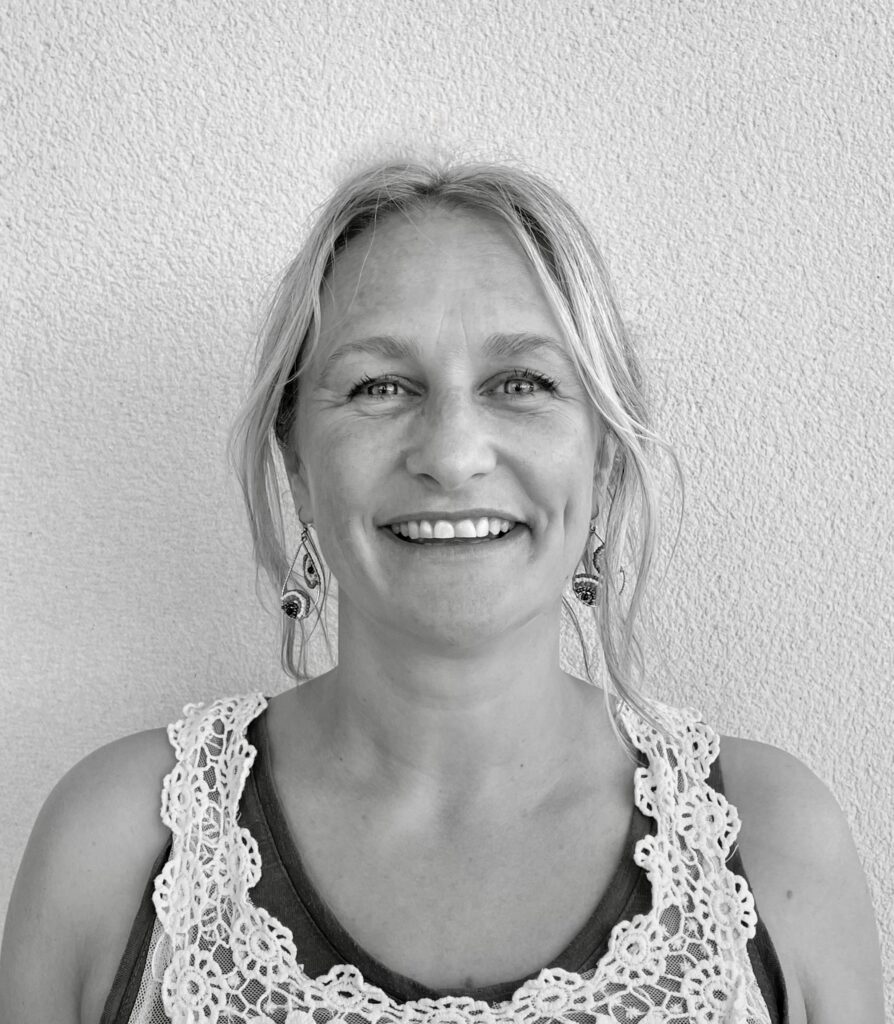
Dr Melanie Gunning BSc, PhD, DClinPsych, Highly Specialist Clinical Psychologist, NHS Lothian Parent and Infant Relationship Service and Greenbank Psychology.
Senior Brazelton Trainer, Dr Melanie Gunning, shares some insights and reflections on the topic of ‘attunement’ for Infant Mental Health Awareness Week 2026.
What do we mean by attunement?
Have you ever talked with a loved one about an event that has felt overwhelming and the person you are sharing with looks sympathetic, let’s go a big breath and says something like “that’s so tough”. Often we feel a sense of relief in these moments – nothing has been made better, nothing has been fixed or changed, and yet often we feel better for having been heard in the emotion we were sharing. Drawing on the work of thinkers like Daniel Stern, we can reflect on this relief as how we experience what it is like to feel “felt”—when we can see that our inner experience has been attuned to.
The same process flows between babies in communication with the people in their worlds. For parents, however, what often comes alongside this process is often an expectation that babies need us to be attuned and ‘getting it right’ all the time. Yet, as Donald Winnicott described in the 1950’s, babies don’t need perfection—they need care that is real and good enough. Research by Ed Tronick’s later showed that what ‘good enough’ looks like between babies and caregviers includes moments of attunment, mismatch (or ‘rupture’), and finding a way back to attunement via ‘repair’.
Babies show us how they are feeling
Work by T. Berry Brazelton and colleagues has for years highlighted that babies are active communicators from the very beginning. Through subtle cues—like turning away, changing their breathing, or becoming still or fussy—they are showing us something about their internal state, maybe:
- Smooth, arm and leg movements, a quiet open-eyed gaze, an absence of hiccups or an even colour tell us: “I’m comfortable, I feel ok”, “I’m interested”
- Jerky, flailing arms and kicking out legs, vocalisations that are not quiet crying but not calm either, a reddening face might tell us: “I don’t feel ok”, “I need a pause or some help to get back to feeling OK”
In approaches such as the NBAS and NBO, we focus on carefully observing cues and behaviours as communication – as the baby’s language – so that we can begin to see the baby as they are.
Why we sometimes misread our babies
Real life attunement is messy. Whoever we are in connection with, we all bring our past experiences, our expectations and assumptions, and, of course, our worries and fears (especially in the perinatal period).
Sometimes this means we respond not just to the baby’s cues and signals, but to what we assume they mean. Through the Brazelton lens we might think about an example:
A 3-week-old baby has been quietly gazing at their parent who has been looking and quietly ‘chatting’ nonverbally with smiles and nods. Then the parent says a bit more loudly ‘Yay, are you feeling smiley now?’ Baby starts wriggling their arms and legs more, has a big yawn, and looks away.
Using the Brazelton lens we might wonder “Is the baby saying, ‘that was lovely but I need a break now’?”. But if the parent is worrying “Oh, they’re bored of me already….” they may try harder to re-engage the baby with more stimulation. And then baby becomes more unsettled.
Rupture is part of the process
These moments of mismatch are known as ruptures. They are the moments captured in research by Ed Tronick and colleagues which show that mismatches between babies and caregivers are typical and happen frequently in everyday interactions. They are not harmful in themselves—they are expected.
Repair is what builds the relationship
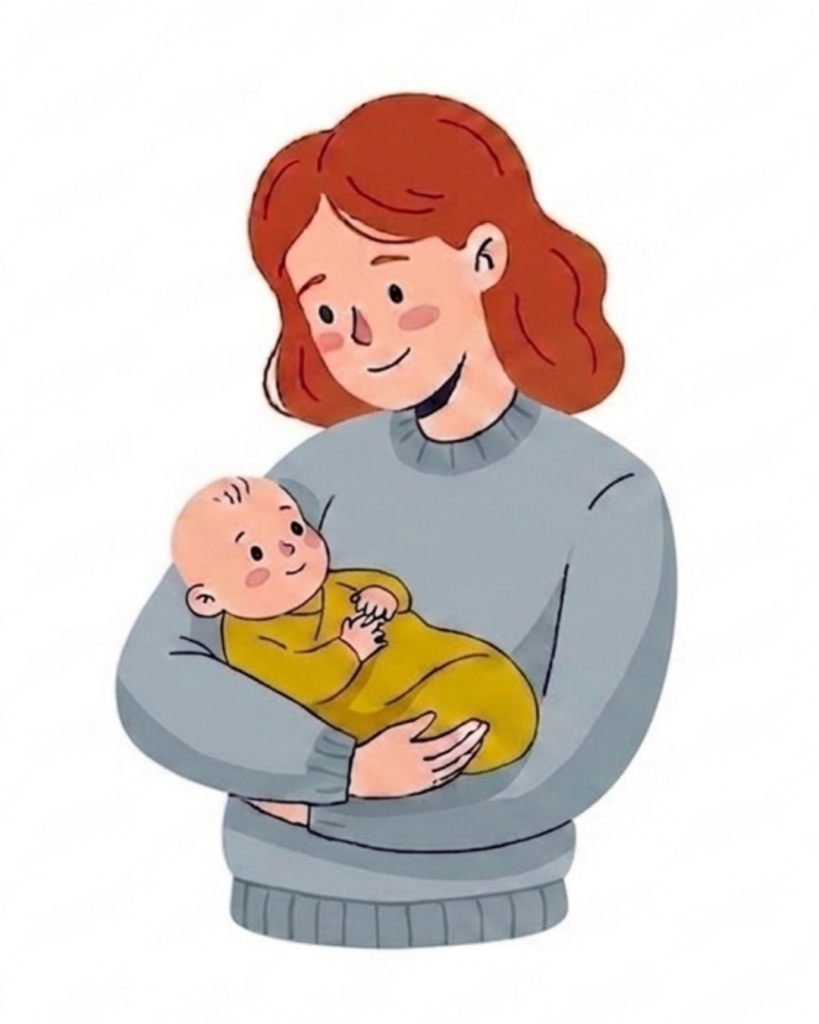
What matters is what happens next. A parent might pause and wonder “Oh….your hands are getting busy and you’re looking away?”. Maybe they pause, look over to where the baby is looking, soften their voice to say “You need to look over there for a bit maybe?”. They wait quietly. Perhaps they gently steady the baby’s arms with their own hand.
In this moment what baby has experienced is finding the way back to attunement again through repair. Things felt good, things felt hard, something was noticed, and the feeling between us settles again.

Seeing your baby clearly
Approaches like the Brazelton NBAS and NBO help us slow down and observe our little ones. And when we slow down and observe we can simply describe what they are communicating, ‘noticing out loud’ their cues and behaviours. In this way we might more easily think about their own internal state, and attempt our best guess at an attuned response to the behaviours and cues we can see, rather than to our own worries or assumptions. And when our best guess ends up in a mismatch, as it often will, we find our way to attunement again via repair.
Attunement
Attunement is not about being perfectly in synch- it’s about staying in the relationship even when things go wrong. The Brazelton approach reminds us to slow down, watch, and wonder about what our baby might be telling us. Not to get it right all the time, but to keep finding our way back to each other when we lose the thread.